Sección 1. Capítulo 7

single
February vs July Average Temperatures
Desliza para mostrar el menú
Well, as you remember, there are no 100% correct answers to clustering problems. For the last task you solved it seems like 5 clusters might be a good option.
Let's visualize the results of clustering into 5 groups by building the scatter plot for average February vs July temperatures, which are one of the coldest and hottest months respectively.
Tarea
Desliza para comenzar a programar
- Create a
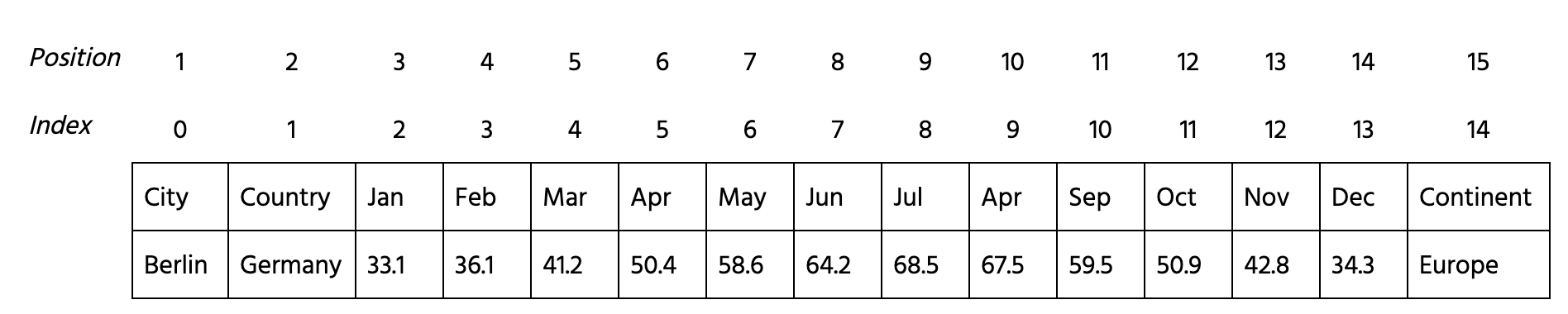
KMeansmodel namedmodelwith 5 clusters. - Fit the numerical columns of
data(2 - 13 indices) tomodel. - Add the
'prediction'column to thedataDataFrame with predicted bymodellabels. - Build a scatter plot of average
'Feb'vs'Jul'temperatures, having each point colored with respect to the'prediction'column of thedataDataFrame.
Solución
 Cambia al escritorio para practicar en el mundo realContinúe desde donde se encuentra utilizando una de las siguientes opciones
¿Todo estuvo claro?
¡Gracias por tus comentarios!
Sección 1. Capítulo 7
single
Pregunte a AI

Pregunte a AI

Pregunte lo que quiera o pruebe una de las preguntas sugeridas para comenzar nuestra charla
