Neural Network Structure
メニューを表示するにはスワイプしてください
Neural Network Structure
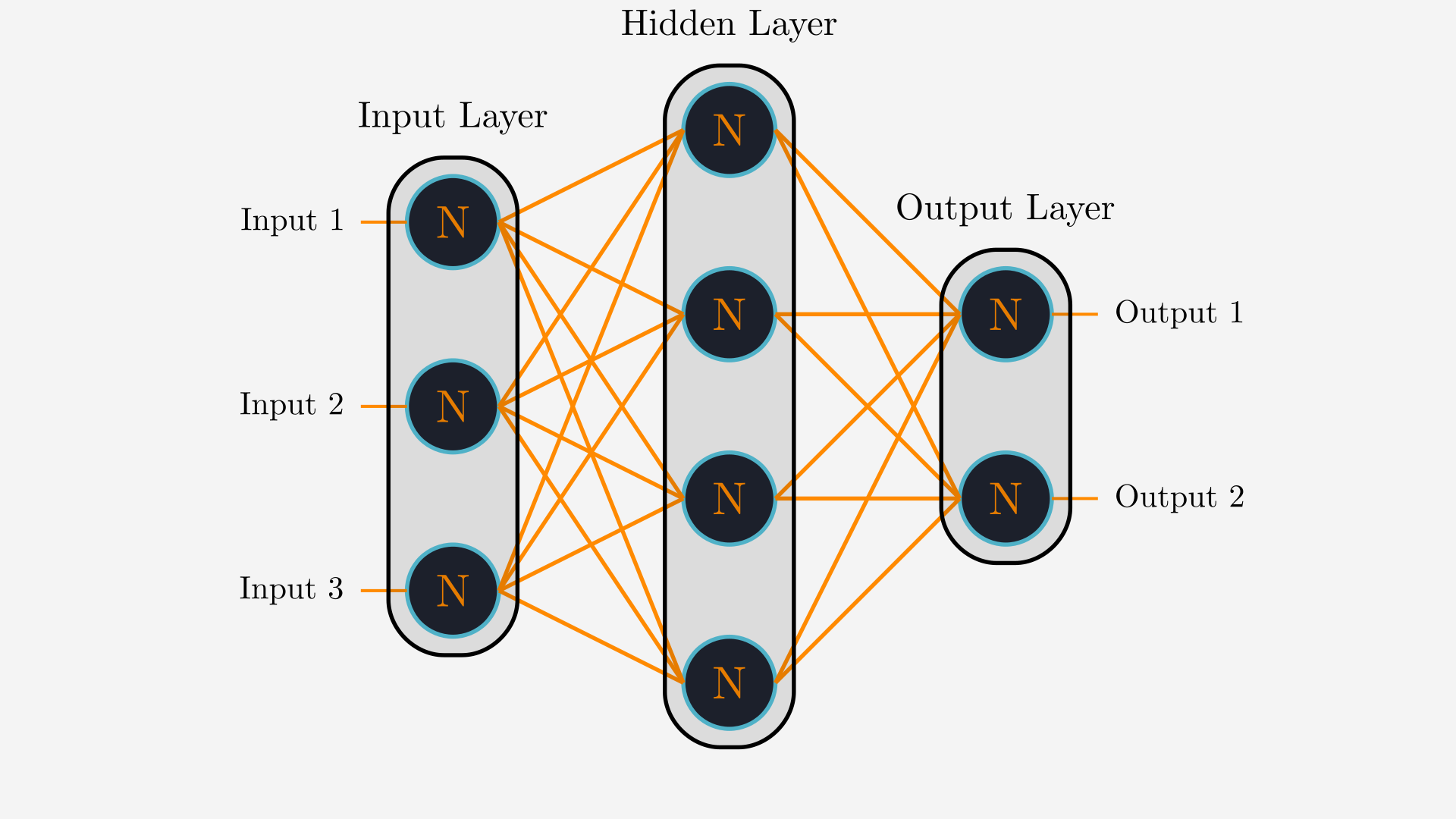
A neural network is a structure made up of layers of "neurons", similar to biological neurons in the brain. Each neuron processes information, receives input, and passes the result on to the next layer. The image below illustrates a simple artificial neural network (ANN) with three layers: input, hidden, and output.
- The input layer receives data;
- The hidden layer processes information through weighted connections;
- The output layer produces the final result.
Like learning a language, the network refines its understanding through repeated exposure to data, recognizing patterns, and improving predictions.
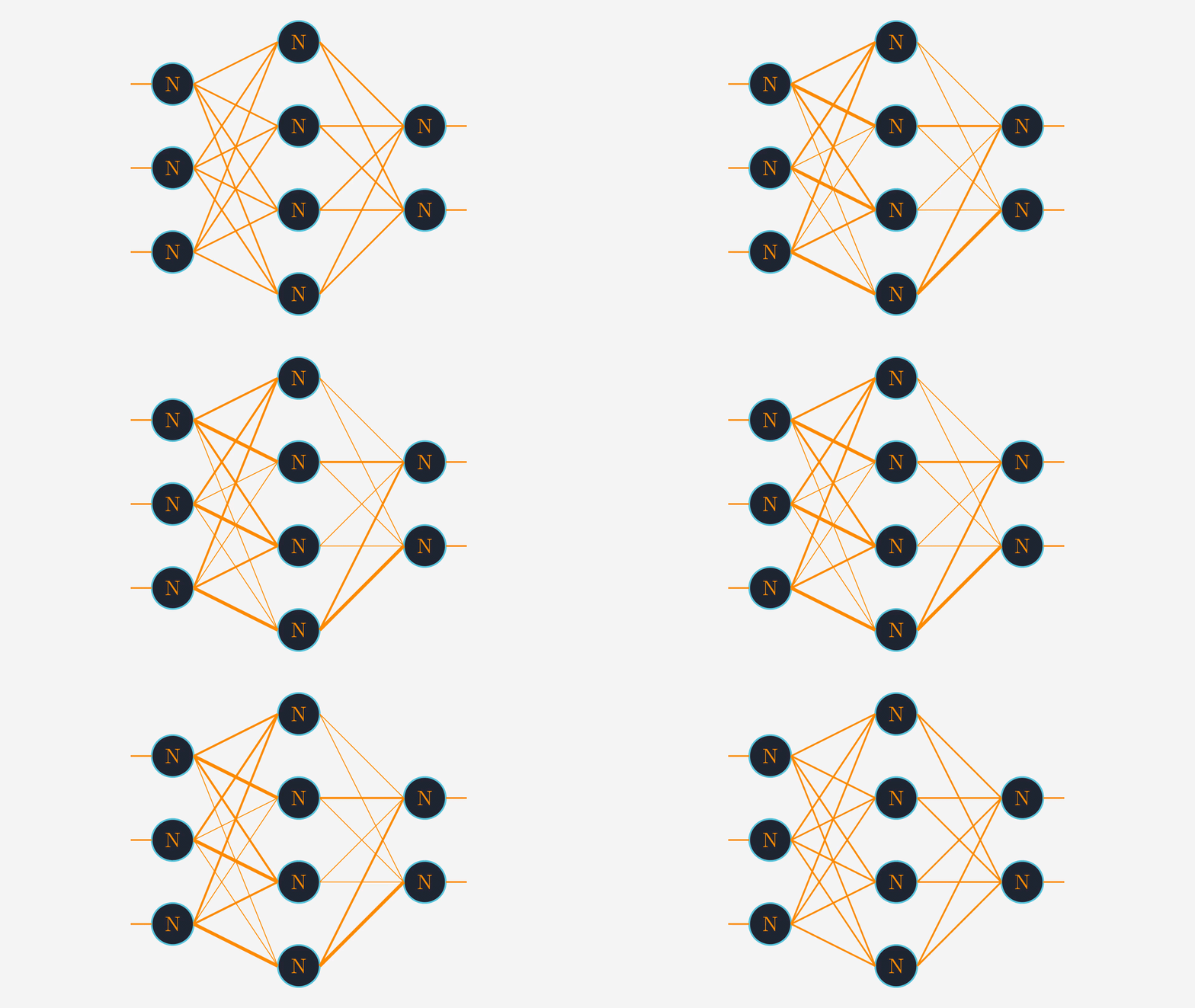
Neurons in a neural network are connected by weighted connections, where each weight represents the importance of the link between two neurons. As shown in the image, each neuron in one layer is connected to every neuron in the next layer, allowing information to flow through the network.
The thicker the connection, the more important it is.
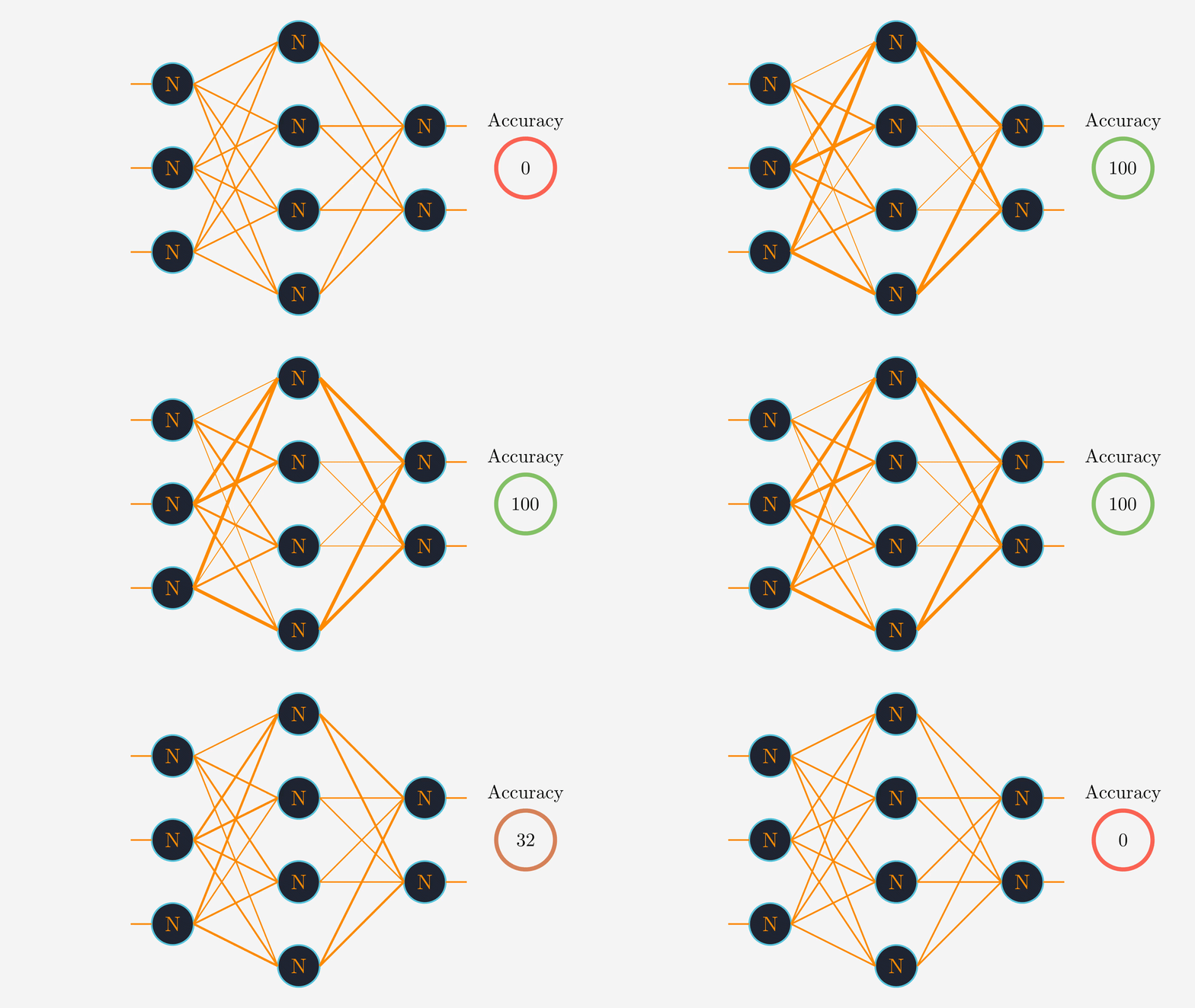
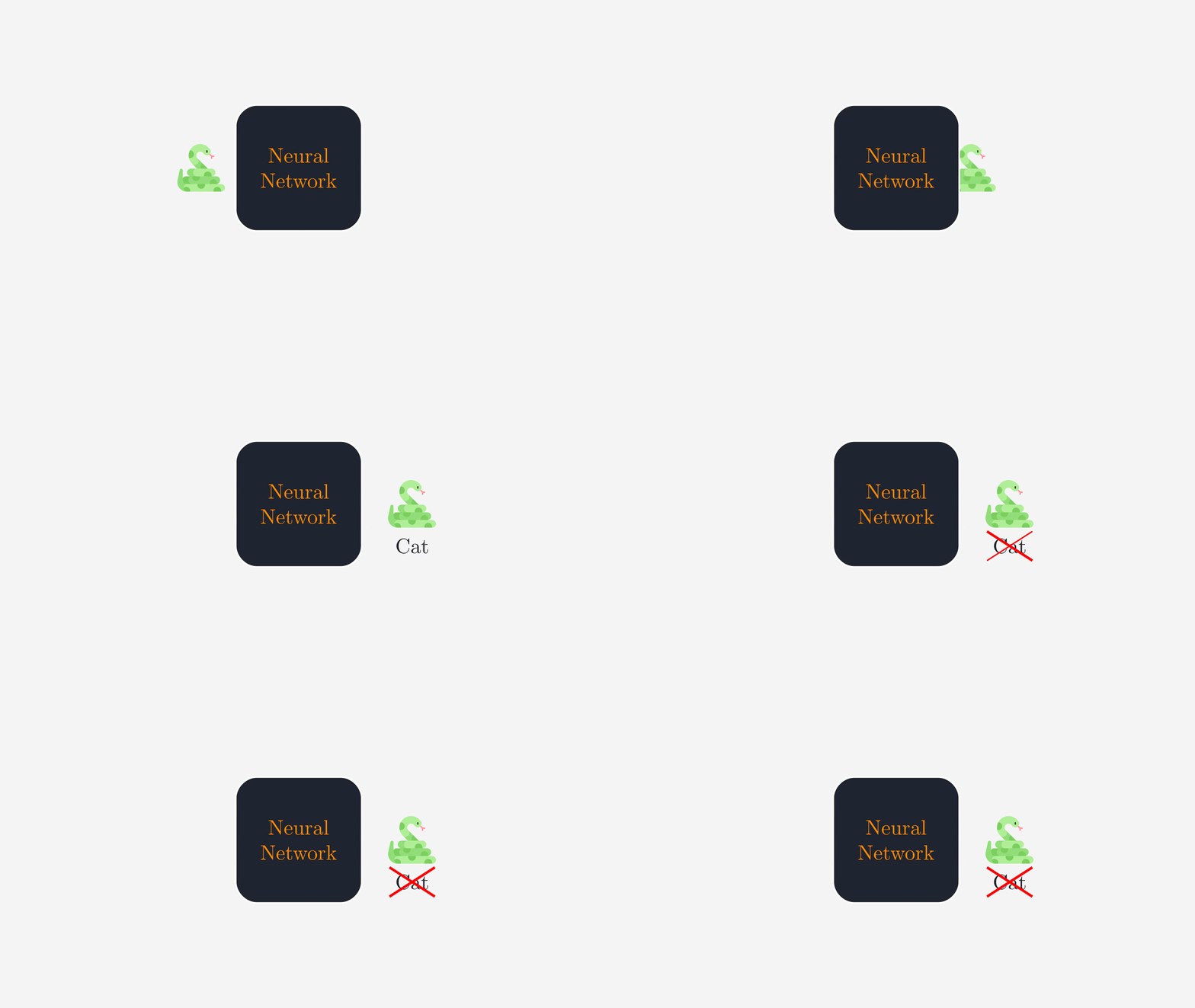
The process of training a neural network involves adjusting the weights of its neurons so that the output becomes as accurate as possible. It is similar to learning to play a musical instrument — gradual practice leads to improved precision and performance.
However, it is important to remember that neural networks are only a tool — they do not possess consciousness or an understanding of the world like humans do. They simply process data and detect patterns they were trained to recognize. For example, a neural network trained to predict house prices would not be able to predict the price of a guitar in a music store.
フィードバックありがとうございます!
AIに質問する
AIに質問する
何でも質問するか、提案された質問の1つを試してチャットを始めてください