Introduction to Kubernetes
Veeg om het menu te tonen
Now that you are familiar with Docker and know how to containerize applications, it's time to take the next step: learning how to manage containerized applications at scale, so they can automatically scale, recover from failures, and run reliably in any environment.
What is Kubernetes?

Kubernetes (K8s) is a platform for managing containerized applications. Simply put, it helps you run and control multiple containers at the same time.
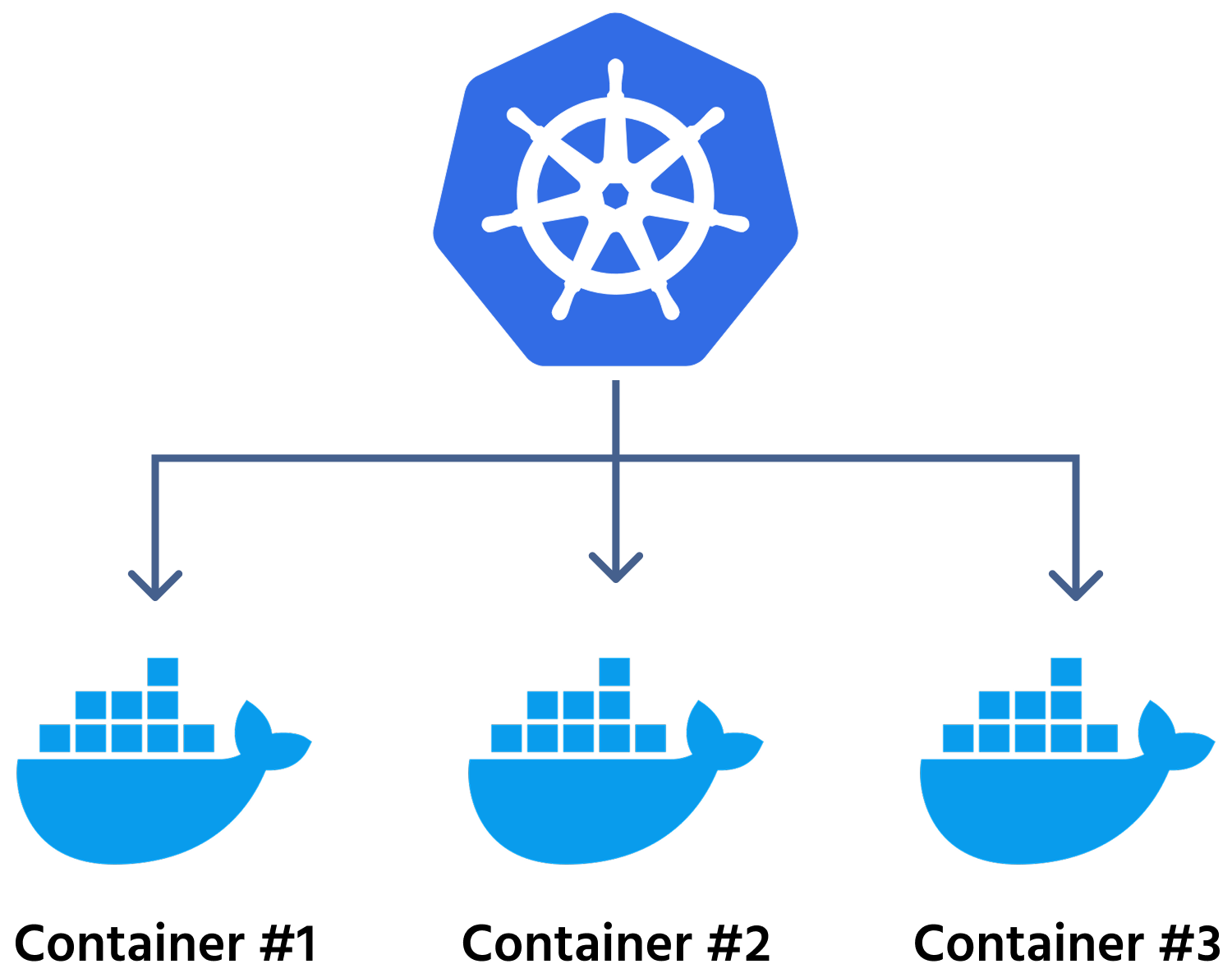
Imagine you have a web application with several services: frontend, backend, and a database. You run each service in a separate Docker container. As your application gets more users, you need more copies of the backend to handle the increased load. Having extra copies allows requests to be spread across containers, reducing the load on each one and improving response times.
This is where Kubernetes comes in: it automatically creates new containers when needed, distributes the load, and ensures each service runs reliably.
In short, Kubernetes turns your set of containers into a smart, self-managing application that can scale and recover from failures.
Why Use Kubernetes?
Kubernetes provides several key advantages, especially as your applications grow:
Bedankt voor je feedback!
Vraag AI

Vraag AI

Vraag wat u wilt of probeer een van de voorgestelde vragen om onze chat te starten.
Introduction to Kubernetes
Now that you are familiar with Docker and know how to containerize applications, it's time to take the next step: learning how to manage containerized applications at scale, so they can automatically scale, recover from failures, and run reliably in any environment.
What is Kubernetes?
Kubernetes (K8s) is a platform for managing containerized applications. Simply put, it helps you run and control multiple containers at the same time.
Imagine you have a web application with several services: frontend, backend, and a database. You run each service in a separate Docker container. As your application gets more users, you need more copies of the backend to handle the increased load. Having extra copies allows requests to be spread across containers, reducing the load on each one and improving response times.
This is where Kubernetes comes in: it automatically creates new containers when needed, distributes the load, and ensures each service runs reliably.
In short, Kubernetes turns your set of containers into a smart, self-managing application that can scale and recover from failures.
Why Use Kubernetes?
Kubernetes provides several key advantages, especially as your applications grow:
Bedankt voor je feedback!
