Developing a Unique Selling Proposition (USP) & Defining Brand Voice
Swipe to show menu
Unique Selling Proposition (USP)
A genuine USP identifies the one thing your brand does, offers, or stands for that no one else in your market does in the same way.
To create a strong USP, you need to understand:
- What do you do better than your competitors? (e.g., fast delivery, unique product?)
- What does your target audience desire?
- What do your competitors do better than you?
Additionally:
- What product qualities are most important to your customer?
- List your product's features and rank them by importance.
- Compare your product with your competitors based on these features.
- Identify the key factors that will shape your USP.
Formulas for creating a USP:
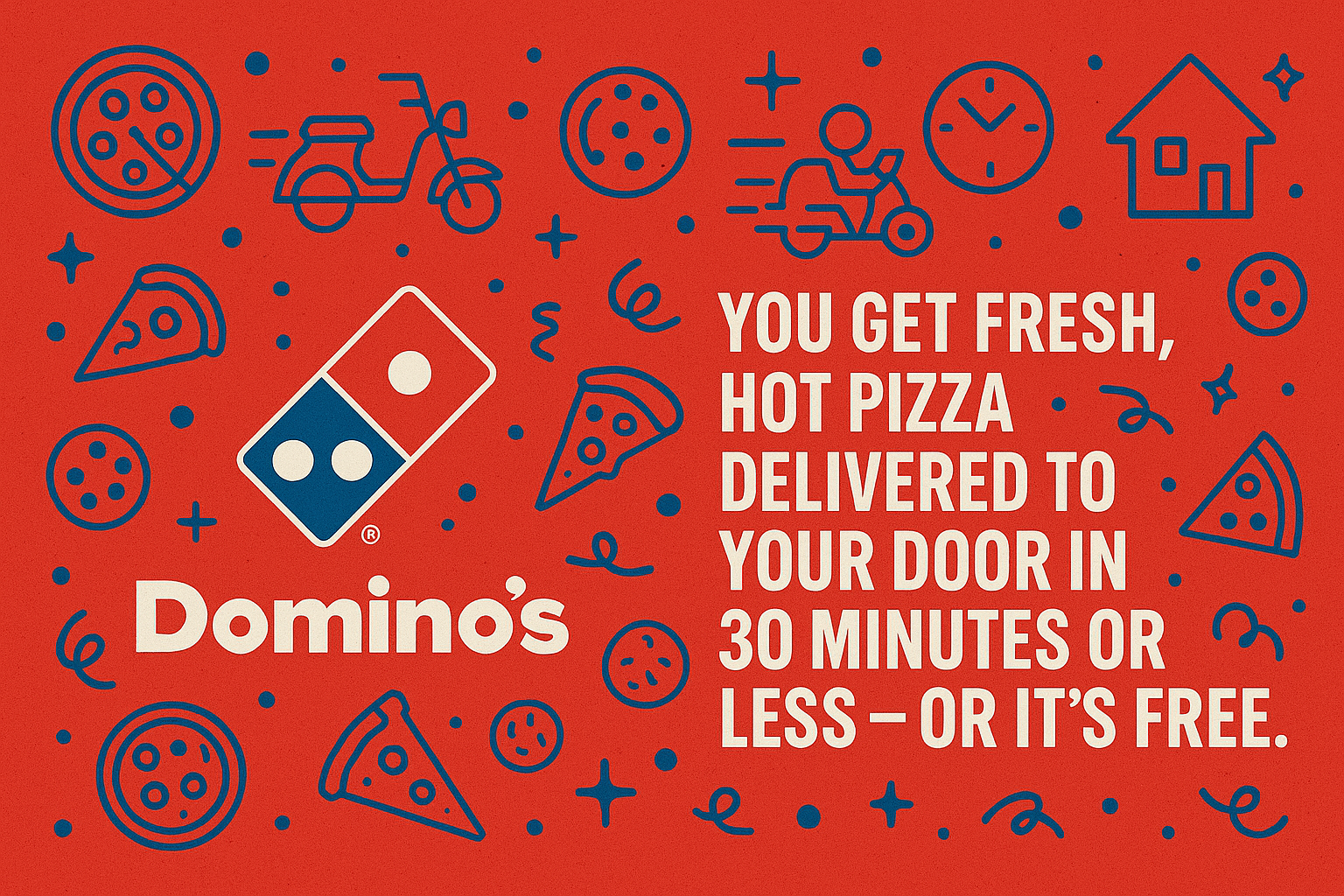
- Need + Result + Guarantee (Domino's);
- Need + Important Feature (M&Ms);
- TA + Need + Solution (IKEA).


Market Positioning
Positioning is not about being the best in an absolute sense. It is about being the most relevant choice for a specific type of customer.
Positioning must be expressed consistently across every customer touchpoint — pricing, packaging, store design, customer service, advertising, and content.
Tone of Voice
Tone of voice is the personality of a brand expressed through language. It determines not just what a brand says, but how it says it — the vocabulary it uses, the level of formality it maintains, the emotions it invites, and the relationship it creates with the reader.
Here's a quick breakdown:
-
Start with brand values: your ToV should reflect what your brand stands for. Are you about innovation, reliability, or maybe fun and adventure;
-
Understand your audience: dive deep into who you're speaking to—their needs, values, and communication style;
-
Define brand personality: is your brand formal, casual, playful, or authoritative? Decide on a few key traits to guide your tone;
-
Choose a communication style: will you use humor? Do you address your audience directly, maybe even using 'you' to make it personal? These choices shape how relatable and authentic your voice feels;
-
Set clear guidelines: outline your tone dos and don'ts. Consistency is key.
Thanks for your feedback!
Ask AI

Ask AI

Ask anything or try one of the suggested questions to begin our chat
