関連コース
すべてのコースを見る初心者
Python Data Structures
Explore the fundamental data structures of the Python programming language, including lists, dictionaries, tuples, and sets, and learn how to apply them effectively to solve real-world programming challenges.

初心者
Introduction to Python
Python is a high-level, interpreted, general-purpose programming language. Distinguished from languages such as HTML, CSS, and JavaScript, which are mainly utilized in web development, Python boasts versatility across multiple domains, including software development, data science, and back-end development. This course will guide you through Python's fundamental concepts, equipping you with the skills to create your own functions by the conclusion of the program.
The Observer Pattern Explained
Consistent communication between objects

by Ihor Gudzyk
C++ Developer
Apr, 2025・
3 min read


The Observer Pattern is a behavioral design pattern that allows an object (known as the subject) to maintain a list of its dependents (called observers) and automatically notify them of any state changes, usually by calling one of their methods.
 Note
NoteThis pattern is widely used in event-driven programming, GUI systems, and even real-time applications where multiple components need to react to state changes.
How to Implement the Observer Pattern
The Observer Pattern involves three main components:
- Subject: The object that holds the state and notifies observers.
- Observer: The interface or abstract class for objects that should be notified.
- Concrete Observers: Classes that implement the Observer interface and react to updates.
Core Concepts in the Observer Pattern
| Subject | Maintains a list of observers and notifies them |
| Observer | Defines an interface for receiving updates |
| ConcreteObserver | Implements the Observer and reacts to changes |
This separation ensures that subjects and observers are loosely coupled, meaning changes in one don't heavily impact the others.
Start Learning Coding today and boost your Career Potential

Advantages and Disadvantages
While the Observer Pattern is very useful, it's important to understand both sides.
Advantages
- Loose coupling: subjects and observers are independent;
- Scalability: easy to add new observers;
- Broadcast communication: a single update can reach multiple listeners.
Disadvantages
- Memory leaks: if observers aren't properly removed;
- Unexpected updates: harder to debug if too many observers react differently;
- Performance overhead: notifying many observers can be resource-intensive.
FAQs
Q: What is the Observer Pattern?
A: The Observer Pattern is a behavioral design pattern where an object (subject) maintains a list of dependents (observers) and automatically notifies them of any state changes.
Q: When should I use the Observer Pattern?
A: Use the Observer Pattern when multiple objects need to react to changes in another object, like updating UI elements when underlying data changes.
Q: How is the Observer Pattern different from the Publisher-Subscriber Pattern?
A: They're very similar, but the Publisher-Subscriber pattern often uses a broker (like an event bus) to manage communication indirectly, whereas Observer ties subjects directly to observers.
Q: Can an Observer observe multiple Subjects?
A: Yes, an Observer can subscribe to multiple Subjects and handle updates from each separately.
Q: How can I prevent memory leaks in the Observer Pattern?
A: Ensure observers properly unsubscribe when no longer needed and consider using weak references where possible.
この記事は役に立ちましたか?
シェア:
この記事は役に立ちましたか?
シェア:
関連コース
すべてのコースを見る初心者
Python Data Structures
Explore the fundamental data structures of the Python programming language, including lists, dictionaries, tuples, and sets, and learn how to apply them effectively to solve real-world programming challenges.
初心者
Introduction to Python
Python is a high-level, interpreted, general-purpose programming language. Distinguished from languages such as HTML, CSS, and JavaScript, which are mainly utilized in web development, Python boasts versatility across multiple domains, including software development, data science, and back-end development. This course will guide you through Python's fundamental concepts, equipping you with the skills to create your own functions by the conclusion of the program.
Top 25 C# Interview Questions and Answers
Master the Essentials and Ace Your C# Interview
by Ihor Gudzyk
C++ Developer
Nov, 2024・17 min read
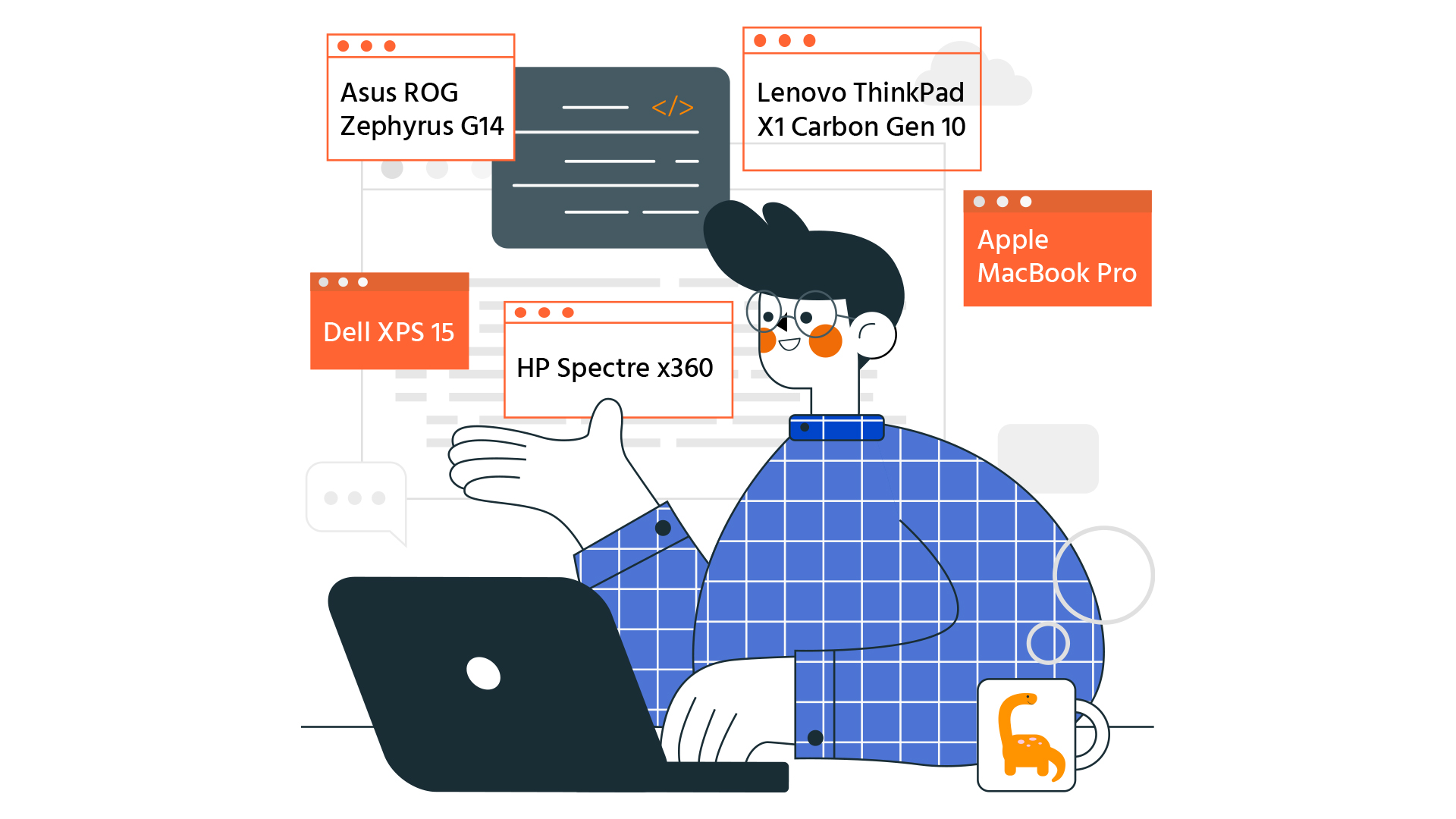
Best Laptops for Coding in 2024
Top Picks and Key Features for the Best Coding Laptops

by Anastasiia Tsurkan
Backend Developer
Aug, 2024・12 min read
10 Developer Tasks You Can Already Delegate to AI
How AI quietly takes over repetitive dev work

by Eugene Obiedkov
Full Stack Developer
Feb, 2026・6 min read
この記事の内容
