Cours connexes
Voir tous les coursDébutant
Social Media Manager From Zero to SMM Hero
This course is designed for aspiring and experienced SMM specialists to enhance their skills in market analysis, audience targeting, content planning, and brand building. Through practical tasks, students will learn effective social media strategies, community management, and advertising setup. Ideal for creators aiming for profitability and SMM pros seeking professional growth, this course covers the essentials of creating impactful, results-driven content and maximizing brand presence across platforms.

Débutant
Introduction to Digital Marketing
This comprehensive marketing course offers an in-depth journey through the fundamentals and advanced strategies of digital marketing. Explore key areas like SEO, PPC, social media, and AI while learning how to craft strategies that deliver results. Each section includes practical examples and tools to solidify your understanding. The course concludes with a hands-on project, empowering you to create and present your own comprehensive marketing plan.
Débutant
Social Media Marketing Agency from Scratch
Launch your own Social Media Marketing Agency from scratch with this powerhouse course that walks you through every step—from understanding platforms and trends to setting up your business, landing clients, and running high-performing campaigns. Whether you're starting with zero experience or scaling a freelance hustle, you'll gain the skills, strategies, tools, and templates to build, grow, and automate a results-driven agency confidently. Learn how to define your niche, price your services, master content and ads, and scale sustainably—all while delivering serious ROI for your clients. If you're ready to turn your digital know-how into a thriving business, this is the roadmap you've been waiting for. And when you've mastered it, you'll feel a sense of accomplishment like never before.
What Is a USP — and How Do You Write One?
Unique Selling Proposition

by Anastasiia Tsurkan
Backend Developer
May, 2026・
11 min read


A great product alone is no longer enough. Customers are overwhelmed with choices, ads, and brands all claiming to be "high quality" or "the best." So why do people choose one company over another? The answer is often a strong USP — a Unique Selling Proposition.
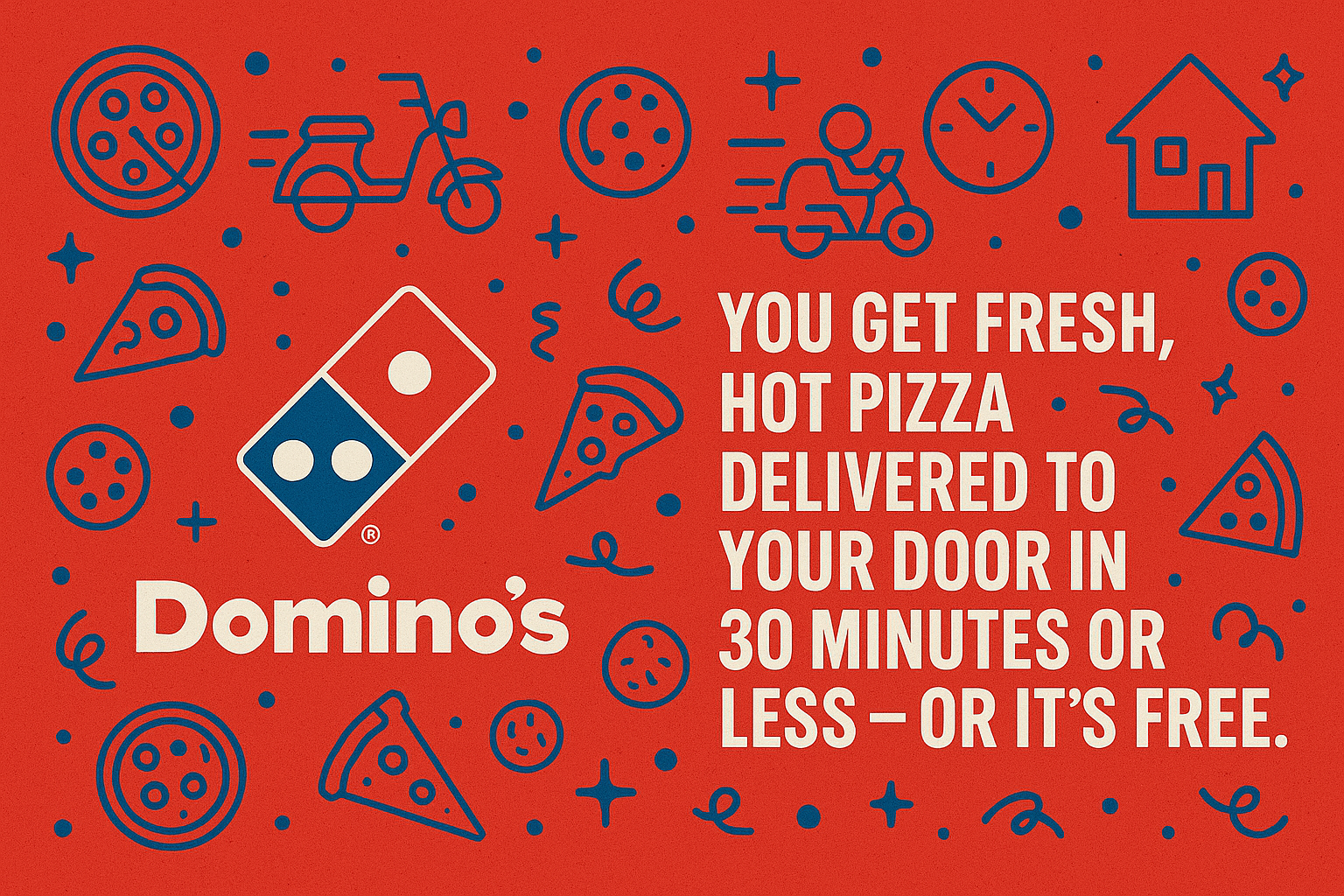
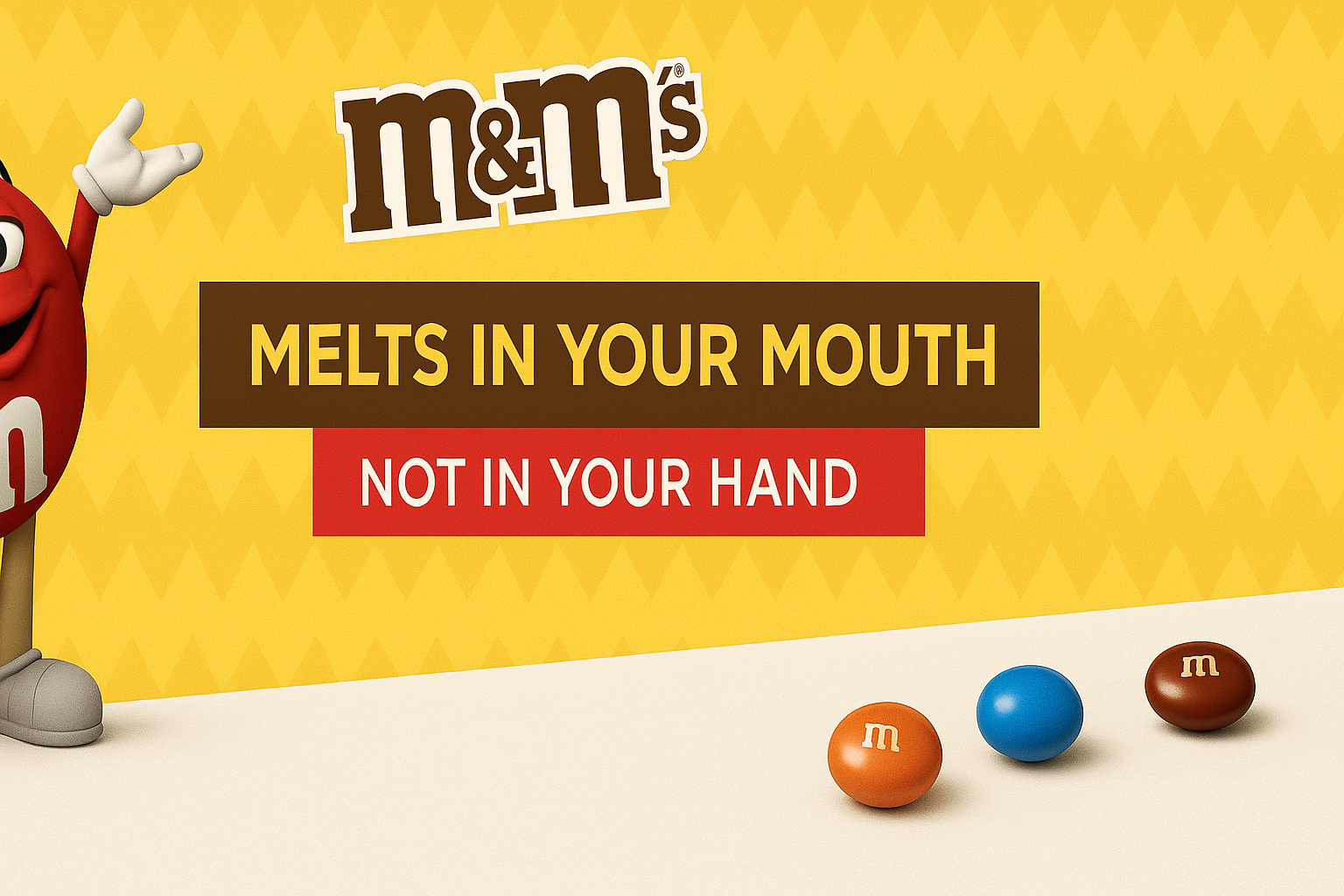
A clear USP helps businesses stand out in competitive markets, communicate value faster, and attract the right audience. From Domino's promising pizza delivery in 30 minutes to M&M's solving a simple frustration with candy that "melts in your mouth, not in your hands," the best USPs turn customer needs into memorable marketing messages.
In this guide, you'll learn what a USP is, why it matters in marketing and branding, and how to write a compelling USP with proven formulas and real-world examples.
What a USP Actually Means
Definition
A Unique Selling Proposition (USP) is a clear statement that explains why customers should choose your product or service instead of competitors. It highlights the specific value, benefit, or difference that makes a brand stand out in the market.
A strong USP is not just a catchy slogan. It connects a real customer need with a clear solution and gives people a reason to remember the brand.
Most successful USPs combine three key elements:
- a customer problem or need;
- a unique difference;
- and a clear result or benefit.
Weak USP:
"We sell high-quality coffee."
Strong USP:
"Fresh specialty coffee delivered to your door within 15 minutes."
The second example is more specific, outcome-focused, and memorable.
The Difference Between USP, Slogan, and Value Proposition
Many people confuse a USP with a slogan or a value proposition, but they serve different purposes in marketing and branding.
A USP focuses on differentiation — the specific reason customers should choose one brand over competitors. A slogan is mainly designed to be memorable and support brand recognition. A value proposition is broader and explains the overall value a company delivers to customers.
| Term | Main Purpose | Example |
|---|---|---|
| USP | Explains what makes the brand different | "Hot pizza delivered in 30 minutes or it's free." |
| Slogan | Creates memorability and brand identity | "Just Do It." |
| Value Proposition | Explains the overall customer value | "Affordable furniture for modern living." |
For example, Domino's built a strong USP around fast guaranteed delivery, while Nike uses a motivational slogan focused on brand emotion rather than product differentiation.
Understanding this difference helps businesses create clearer messaging and stronger positioning.
Run Code from Your Browser - No Installation Required

Characteristics of a Strong USP
A strong USP immediately communicates value and makes a brand easier to remember. The best Unique Selling Propositions are simple, specific, and focused on solving a real customer problem.
What Makes a USP Effective?
Specific
Generic claims like "high quality" or "great service" are too vague. A good USP explains exactly what makes the offer different.
Weak:
"Fast delivery."
Strong:
"Groceries delivered in under 20 minutes."
Customer-Focused
A USP should focus on the customer's benefit, not the company itself.
Weak:
"We use advanced AI technology."
Strong:
"Automate repetitive work and save hours every week."
Outcome-Oriented
People buy results, not features. Strong USPs highlight the final benefit customers receive.
Feature:
"Noise-canceling headphones."
Outcome:
"Focus anywhere without distractions."
Memorable
The best USPs are short, clear, and easy to repeat. Many successful brands use simple wording that customers instantly understand.
Example:
"Melts in your mouth, not in your hands."
Difficult to Copy
A strong USP is based on something competitors cannot easily replicate, such as:
- a guarantee;
- a unique process;
- speed;
- specialization;
- or a specific customer experience.
This helps brands build stronger positioning in competitive markets.
The Most Popular USP Formulas
Many successful brands use proven formulas to create clear and memorable Unique Selling Propositions. These frameworks help businesses communicate value faster and make their messaging more customer-focused.
Formula 1: Need + Result + Guarantee
This formula focuses on solving a customer problem, promising a result, and removing risk with a guarantee.
Domino's
"Fresh pizza delivered in 30 minutes or it's free."
Why it works:
- solves the need for fast delivery;
- promises a clear result;
- removes hesitation with a guarantee.
Online Learning Platform
"Learn practical Excel skills in 7 days — or get your money back."
Formula 2: Need + Important Feature
This formula connects a customer need with a product feature that directly solves a frustration.
M&M's
"Melts in your mouth, not in your hands."
Why it works:
- identifies a common inconvenience;
- presents a simple but valuable solution;
- stays memorable because of simplicity.
Laptop Brand
"Powerful enough for gaming — light enough for travel."
Formula 3: Target Audience + Need + Solution
This formula speaks directly to a specific audience and their problem.
IKEA
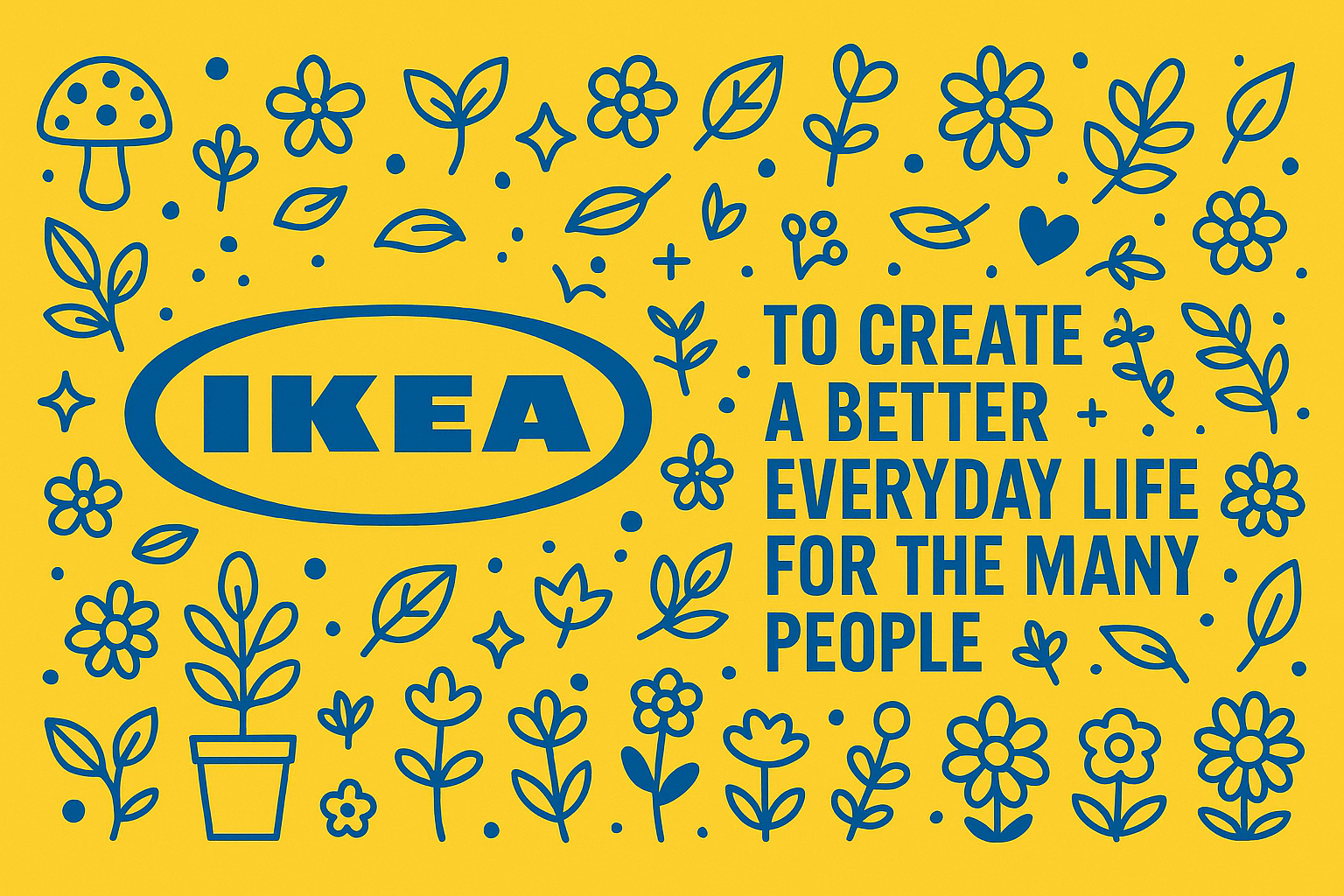
"Affordable furniture for people who want stylish homes."
Why it works:
- targets a clear audience;
- identifies a desire;
- offers an accessible solution.
Busy Parents
"For busy parents who need healthy meals fast — ready in 15 minutes."
Step-by-Step Guide to Writing a USP
Creating a strong USP starts with understanding the customer, not the product. The goal is to clearly explain why your offer matters and what makes it different from competitors.
Step 1: Identify the Customer Problem
Every strong USP solves a specific problem or frustration.
Ask questions like:
- What wastes customers' time?
- What feels difficult or expensive?
- What do competitors fail to provide?
- What result are customers actually looking for?
Example:
People don't buy meal delivery simply because they need food. They buy:
- convenience;
- saved time;
- less stress after work.
The deeper the customer insight, the stronger the USP becomes.
Step 2: Define What Makes You Different
Next, identify the one thing your product or service does differently.
This could be:
- speed;
- simplicity;
- affordability;
- personalization;
- quality;
- specialization;
- or a guarantee.
Weak:
"We sell mattresses."
Better:
"Custom mattresses designed specifically for side sleepers."
Specificity makes a USP stronger and more believable.
Step 3: Focus on Outcomes Instead of Features
Customers care more about results than technical details.
Feature:
"AI-powered analytics dashboard."
Outcome:
"See marketing results instantly without building reports manually."
Always translate features into customer benefits.
Step 4: Keep It Short and Clear
The best USPs are easy to understand in seconds.
Weak:
"An innovative ecosystem delivering advanced productivity solutions."
Strong:
"Project management software that saves teams 5 hours every week."
Simple language usually performs better than corporate jargon.
Step 5: Test Your USP
Before using a USP in marketing, ask:
- Can competitors say the same thing?
- Is the message instantly understandable?
- Does it solve a real customer problem?
- Is there proof behind the claim?
If the answer is unclear, the USP probably needs refinement.
Start Learning Coding today and boost your Career Potential
Conclusion
A strong USP is one of the most important elements of successful branding and marketing. In competitive markets, customers choose brands that clearly communicate value, solve real problems, and stand out from alternatives. That is why learning how to write a Unique Selling Proposition is essential for businesses, startups, and personal brands alike.
The best USP examples are simple, specific, and customer-focused. Whether you use formulas like Need + Result + Guarantee, Need + Important Feature, or TA + Need + Solution, the goal remains the same: explain why your product matters and why customers should choose it.
A great USP does more than improve marketing copy. It strengthens brand positioning, increases memorability, and helps businesses attract the right audience more effectively.
If your current messaging sounds generic or similar to competitors, refining your USP can become one of the fastest ways to improve your marketing strategy and brand identity.
Cet article a-t-il été utile ?
Partager:
Cet article a-t-il été utile ?
Partager:
Cours connexes
Voir tous les coursDébutant
Social Media Manager From Zero to SMM Hero
This course is designed for aspiring and experienced SMM specialists to enhance their skills in market analysis, audience targeting, content planning, and brand building. Through practical tasks, students will learn effective social media strategies, community management, and advertising setup. Ideal for creators aiming for profitability and SMM pros seeking professional growth, this course covers the essentials of creating impactful, results-driven content and maximizing brand presence across platforms.
Débutant
Introduction to Digital Marketing
This comprehensive marketing course offers an in-depth journey through the fundamentals and advanced strategies of digital marketing. Explore key areas like SEO, PPC, social media, and AI while learning how to craft strategies that deliver results. Each section includes practical examples and tools to solidify your understanding. The course concludes with a hands-on project, empowering you to create and present your own comprehensive marketing plan.
Débutant
Social Media Marketing Agency from Scratch
Launch your own Social Media Marketing Agency from scratch with this powerhouse course that walks you through every step—from understanding platforms and trends to setting up your business, landing clients, and running high-performing campaigns. Whether you're starting with zero experience or scaling a freelance hustle, you'll gain the skills, strategies, tools, and templates to build, grow, and automate a results-driven agency confidently. Learn how to define your niche, price your services, master content and ads, and scale sustainably—all while delivering serious ROI for your clients. If you're ready to turn your digital know-how into a thriving business, this is the roadmap you've been waiting for. And when you've mastered it, you'll feel a sense of accomplishment like never before.
How Often Should You Post on Social Media?
The Posting Frequency
by Anastasiia Tsurkan
Backend Developer
May, 2026・17 min read
The 14 Buying Archetypes or Why Your Audience Is Not "One Target Persona"
Social Media Marketing, Digital Marketing
by Anastasiia Tsurkan
Backend Developer
Feb, 2026・10 min read
The Ultimate Guide to Social Media Management and Content Planning
Content Planning
by Anastasiia Tsurkan
Backend Developer
Nov, 2024・12 min read

Contenu de cet article
